Whether you're building a youth-facing AI product, designing a student-facing AI feature, leading a school navigating AI, running an NGO in the space, or preparing to enter it — this is where you learn to do it right. Grounded in learning science, cognitive neuroscience and the safety of children and young people.
The AI × education market is growing fast — but most AI products and student-facing AI features are developed, deployed and funded without a grounded understanding of cognitive development, learning science, behavioural safety, or children's digital rights.
Content moderation is not enough. AI can create unhealthy patterns of attachment, cognitive offloading, dependency and anthropomorphic confusion — risks that stay invisible unless you know what to look for.
Seven 90-minute live masterclasses, every Tuesday from 22 September to 27 October — timed to work across EMEA and North America.
17:00–18:30 CET / 8:00–9:30am PT. All sessions are recorded for cohort members.
Ninety minutes each, delivered live online by leading experts.
For full-track participants, tailored to your product.
Everyone.AI's behavioural safety assessment tool.
Deliberately small, for quality of interaction.
Seven world-leading experts in learning science, cognitive neuroscience and child safety — here to help you understand what safe, ethical AI for children really looks like, whether you're building it, shaping it, or deciding whether to adopt it.
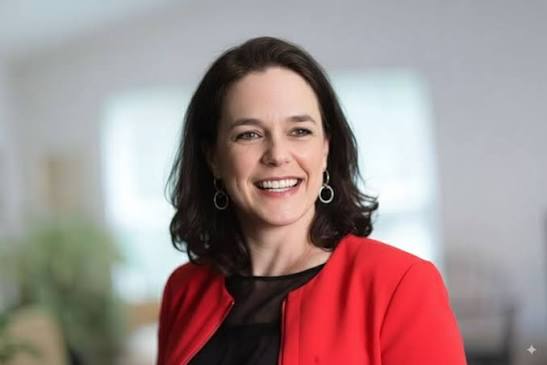
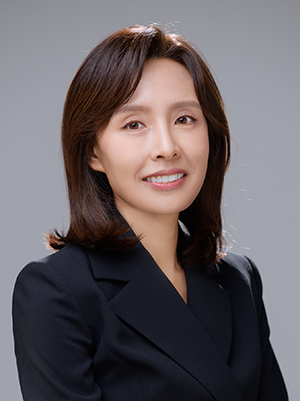
Co-founder, Everyone.AI & iRAISE
Pioneer in AI safety for children. She leads the integration of child safety science into AI product design, including helping shape evaluation tools like the AïA Safety Builder.
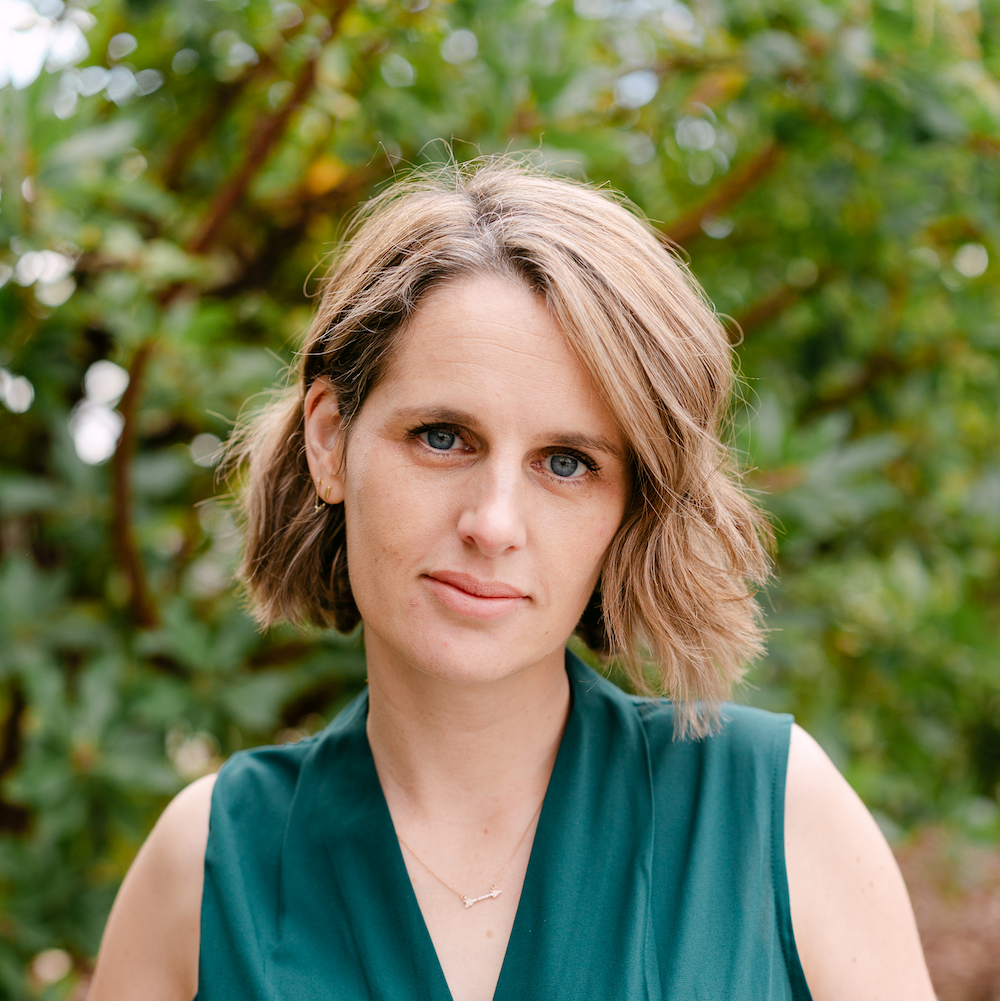
Chief Scientist, Everyone.AI
Cognitive neuroscientist who leads the science behind the AïA safety framework and the CALIBER expert-consensus model for child safety.
Université Paris Cité / CNRS, LaPsyDÉ
Professor of Developmental Psychology and Cognitive Neurosciences of Education at Université Paris Cité and director of the LaPsyDÉ lab (CNRS). His research explores how the developing brain learns, focuses and self-regulates.
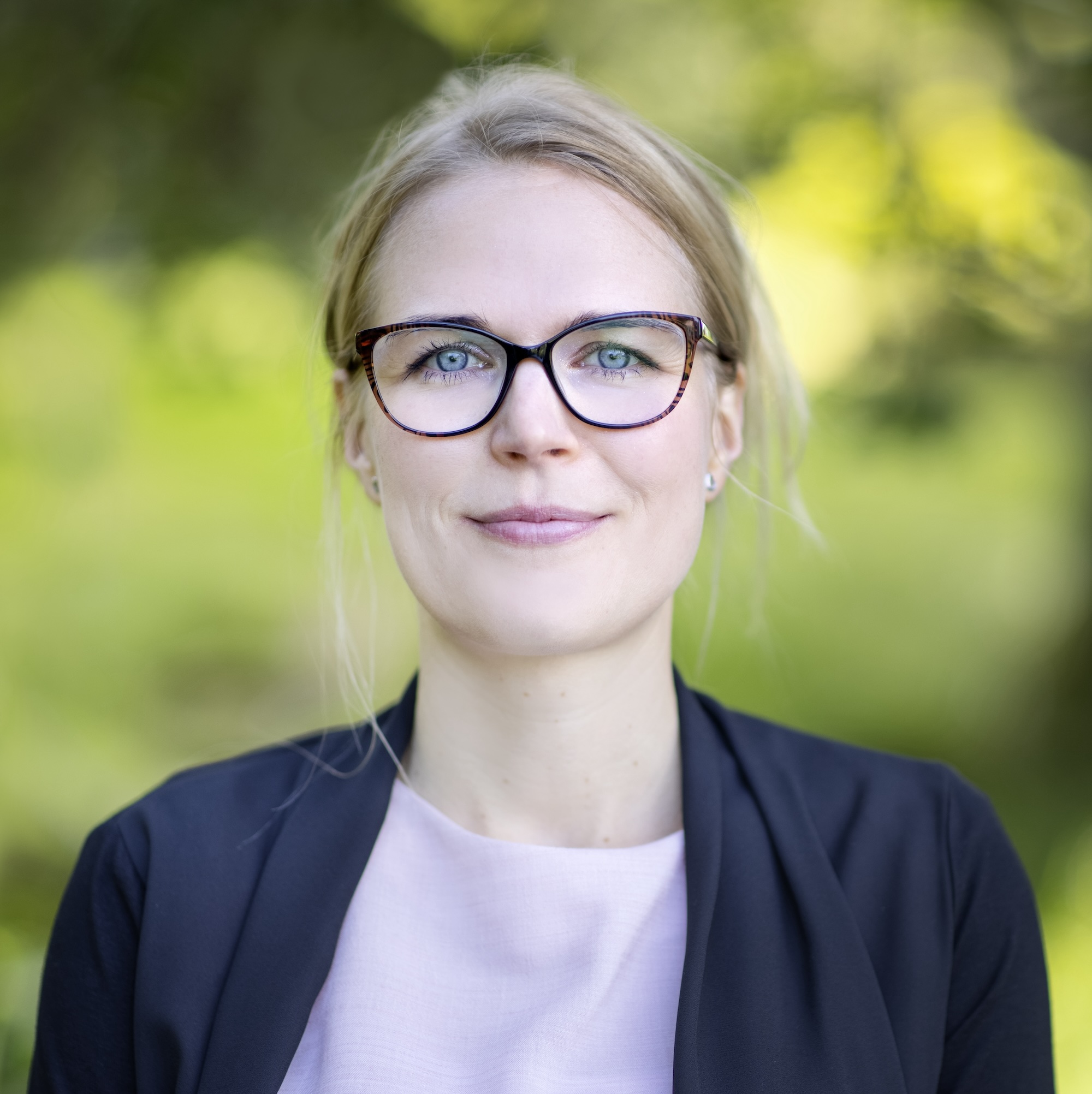
International Centre for EdTech Impact
Professor of Reading and Early Childhood Development at the University of Stavanger. Her work spans personalised technology, evidence-based design and children's digital rights.
CEO, InnovateEDU
Education equity leader and policy strategist who has worked with districts, governments and edtech builders to scale learning solutions that work for every student. A champion of Safe by Design principles in educational AI.
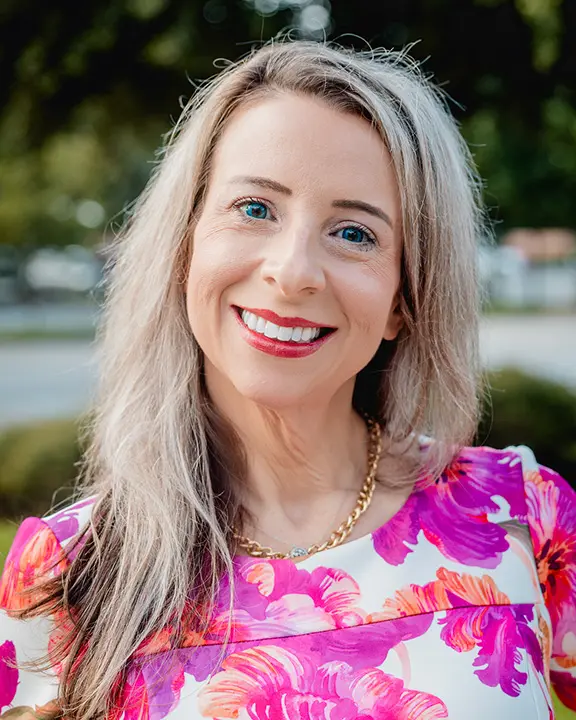
University of Denver · Center for Brain, AI, and Child
Professor of psychology at the University of Denver and director of the Brain, AI, and Child Center. Studies the emotional and social dimensions of children's interactions with AI, and how generative AI shapes child brain development and wellbeing.
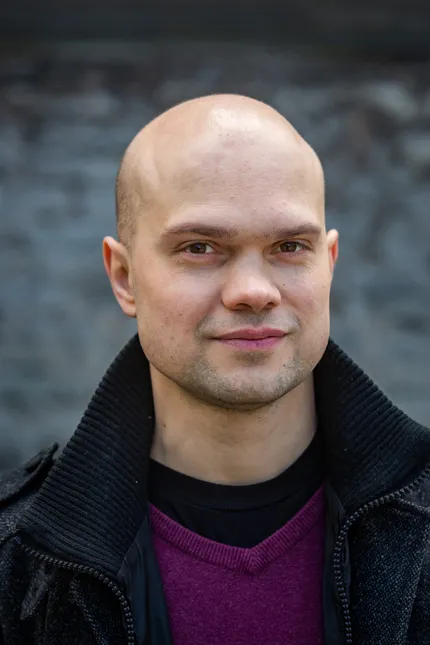
Neuroscientist and AI Leap research lead, University of Tartu
Neuroscientist working at the intersection of neuroscience, psychology and AI. His research examines how AI shapes the way children think and learn, and he helps lead the science behind Estonia's national "AI Leap" bringing ChatGPT into schools.
Co-founder, Education Futures
Explorer who spent the last 10 years mapping the ecosystem and shedding light on what works in Edtech. Moderates each session and guides participants through the cohort.
| Topic | Speaker & Organisation |
|
AI and our youth: what's at stake, and why it can't wait
|
Anne-Sophie Seret · Co-founder, Everyone.AI
Svenia Busson · Co-founder, Education Futures |
|
How children's and young people's brains actually learn — and what that means for AI
|
Prof. Grégoire Borst · Université Paris Cité / CNRS, LaPsyDÉ
|
|
Does AI actually help children and young people learn? What the evidence says
|
Prof. Natalia Kucirkova · International Centre for EdTech Impact
|
|
When children and young people bond with AI: what we know about emotional risk
|
Prof. Pilyoung Kim · University of Denver / Center for Brain, AI, and Child
|
|
What building safe AI for children and young people really requires — beyond content filters
|
Mathilde Cerioli, PhD · Chief Scientist, Everyone.AI
|
|
Why AI can't replace the effort of learning — and why that matters
|
Jaan Aru · University of Tartu
|
|
What schools and organisations actually require is safe by design, and the regulation of AI products is underway
|
Erin Mote · CEO, InnovateEDU
|
🏅 All participants who complete the Fellowship receive a LinkedIn badge and a certificate of completion — a signal that you take the science of AI and children seriously.
Unlike content moderation tools, AïA Safety Builder measures the behavioural patterns children encounter through repeated AI interaction — anthropomorphic cues, interactional dynamics and relational signals that can skew development.
Powered by the CALIBER expert-consensus framework and the SRL4Children assessment engine.
Discover AïA →Deliberately limited to protect the quality of interaction and mentorship.
Join the cohort, partner with us, or sponsor a place for a teacher, founder or NGO leader. We'd love to help you act on what science tells us about AI and children — whatever your role.
Click here to apply →Reviewed on a rolling basis · Apply by 10 September, midnight CET · Cohort starts 22 September